

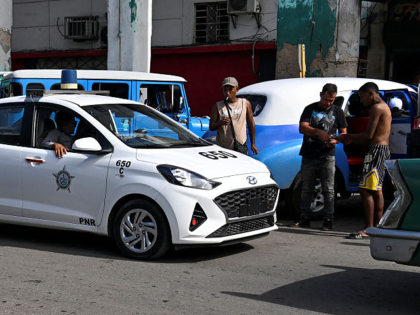
The Cuban regime’s latest crackdown—locking up more than a thousand political prisoners, including dozens of children—on the fifth anniversary of the July 11, 2021 protests is a textbook reminder that authoritarian governments fear an armed populace more than any slogan or ballot box. When the island’s citizens briefly tasted the power of mass, spontaneous resistance three years ago, Havana responded not with reform but with a pre-emptive campaign of surveillance, beatings, and prison cells; the same playbook Castro used in 1959 to disarm the very revolutionaries who had helped him seize power. For Second Amendment advocates, the lesson is brutally clear: the right to keep and bear arms is the ultimate check against a state that can, at any moment, decide your children are threats to “the revolution.”
That reality travels. Every time a U.S. politician floats “assault-weapon” bans or registration schemes, they are inching toward the same monopoly on force the Cuban Communist Party already enjoys. The difference is that American gun owners still have the legal and cultural tools to push back—tools the Cuban dissidents can only dream of. If the regime in Havana is willing to jail toddlers to keep rifles out of civilian hands, then every range session, every range-safety class, and every vote against incremental gun control here at home is an act of solidarity with those political prisoners and a down-payment on the insurance policy the Founders intended: an armed citizenry that makes tyranny too expensive to attempt.


