

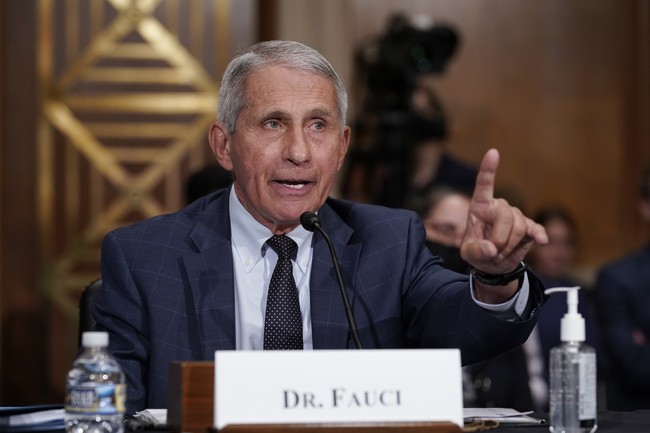
Trump’s swift and pointed reaction to Fauci’s testimony—coupled with the timing of Biden’s preemptive pardon—lays bare the weaponization of public-health edicts that many gun owners instinctively distrust. When the former president reminded listeners that “they tried to lock you in your homes, close your businesses, and now they want to memory-hole the whole thing,” he wasn’t just scoring political points; he was spotlighting the same administrative state that spent 2020–2021 stretching emergency powers far beyond any statute. For Second Amendment advocates, that precedent is chilling: if a public-health bureaucrat can shutter gun stores as “non-essential,” disarm permit holders through extended “background-check delays,” or pressure banks to blacklist FFLs, then every new crisis becomes a potential avenue for rights forfeiture.
The deeper implication is that institutional credibility is now the battleground. Fauci’s shifting statements on masks, lab-leak theory, and vaccine mandates eroded trust in federal agencies; Biden’s pardon cements the suspicion that accountability will be selective. Gun owners who watched the same agencies reinterpret the National Firearms Act via “rule-making,” redefine “engaged in the business,” or push red-flag laws under the banner of “public safety” see a continuum, not a coincidence. When trust collapses, the only remaining backstop is the text of the Constitution and the willingness of an armed citizenry to insist that enumerated rights don’t pause for emergencies.
That’s why Trump’s blunt messaging resonates far beyond any single hearing. It signals that the next administration may finally treat administrative overreach as a systemic problem rather than a partisan talking point. For the 2A community, the takeaway is clear: stay organized, document every rights-restrictive rule, and be ready to litigate—or legislate—the next time officials claim extraordinary power to protect you from yourself.


