

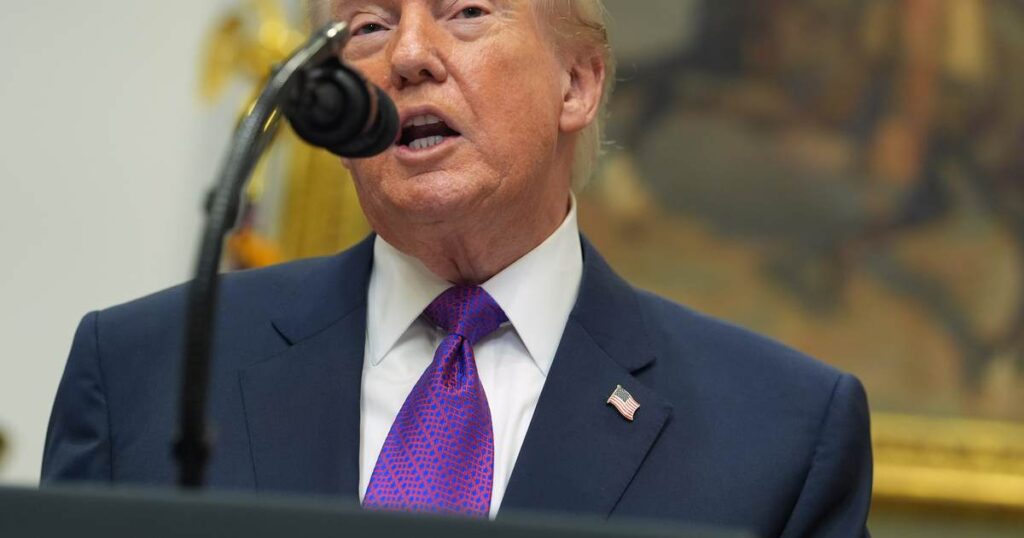
Trump’s fresh push to expand the Abraham Accords into a broader Iran peace framework isn’t just another diplomatic headline—it’s a direct shot across the bow of the same axis of regimes that have spent decades arming, training, and funding proxies aimed at Israel and, by extension, at every free society that values individual rights. By inviting additional Arab states to the table, the former president is betting that economic incentives and security guarantees can peel Sunni nations away from Tehran’s orbit, shrinking the weapons pipelines that flow from Iranian factories to Hezbollah, Hamas, and the Houthis. For the firearms community that watches these developments closely, the stakes are obvious: every rocket, drone, or small-arms shipment that never leaves Iran is one less threat that could one day require American shooters—whether private citizens or deployed service members—to face down Iranian-supplied ordnance on distant battlefields or, worse, on domestic soil if terror networks succeed in smuggling arms stateside.
The timing matters. With the current administration’s emphasis on multilateral deals that often sideline hard power, Trump’s approach leans on the credible threat of renewed maximum-pressure sanctions plus the implicit reminder that the U.S. defense industry remains the arsenal of democracy. That posture keeps production lines humming for everything from precision rifles to crew-served weapons, sustaining the very manufacturers whose innovations trickle down to civilian sporting and self-defense markets. A durable regional settlement could also free up defense budgets currently earmarked for containing Iran, potentially redirecting resources toward domestic priorities—including the protection of Second Amendment infrastructure against regulatory overreach at home.
Ultimately, the 2A community should read this overture as a reminder that peace through strength is not an abstraction; it is the condition that lets American gun owners train, compete, and carry without the shadow of state-sponsored terrorism dictating the terms of everyday life. If the expanded Accords succeed in isolating Tehran, the reduced risk of wider conflict translates into steadier supply chains, fewer emergency import restrictions, and a political environment where the right to keep and bear arms faces one less external justification for new controls.


