

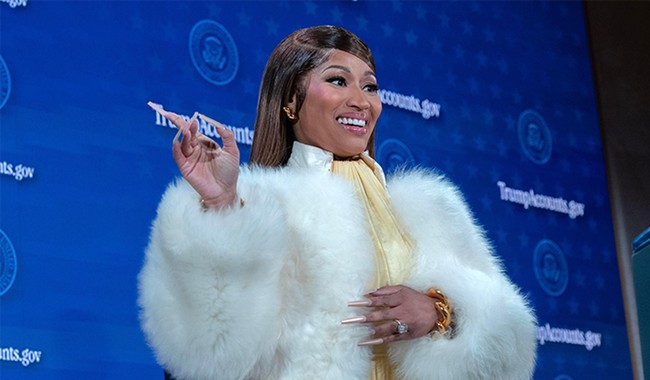
When Donald Trump cracked wise about Nicki Minaj at the White House Correspondents’ Dinner, the moment wasn’t just another celebrity jab—it was a reminder that even pop-culture punchlines can circle back to the Second Amendment. Minaj’s quick-witted reply lit up social feeds, but beneath the laughter lies a deeper truth: the right to keep and bear arms is no longer a niche policy debate; it’s a cultural flashpoint that celebrities, politicians, and everyday citizens all navigate. Trump’s humor underscored how gun rights have become shorthand for independence, self-reliance, and resistance to elite overreach—values that resonate far beyond the Beltway.
For the 2A community, the exchange is a microcosm of the larger culture war. Minaj’s own past flirtation with vaccine skepticism showed how quickly public figures can find themselves at odds with institutional narratives; the same friction exists when citizens assert their right to defend themselves without waiting for permission slips from Washington. Social-media amplification of the joke proves that messaging matters: a single quip can humanize policy positions that legacy outlets often caricature as extreme. In an era when corporate platforms flirt with de-platforming and legacy media still frames gun owners as outliers, moments like these keep the conversation relatable and the coalition broad.
Ultimately, the viral back-and-forth is less about one rapper or one president and more about narrative ownership. The 2A movement wins when it refuses to be caricatured, when it meets cultural moments with wit instead of defensiveness, and when it recognizes that cultural fluency is as important as legislative scorecards. Trump’s joke and Minaj’s retort may fade from the timeline, but the takeaway endures: freedom isn’t only defended in courtrooms or capitols—it’s also preserved every time gun owners show they can take a joke, land a punchline, and still stand their ground.


