

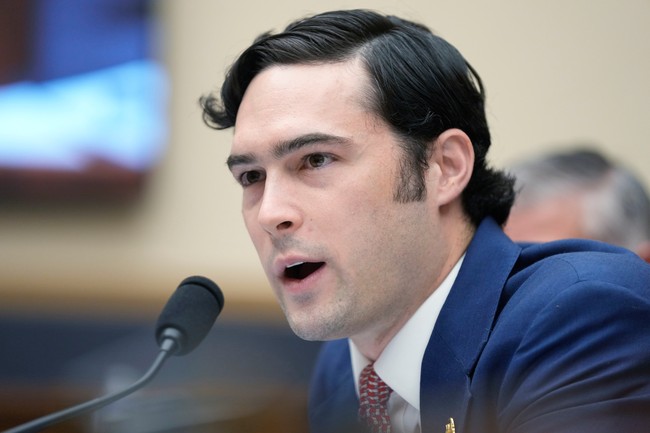
Chuck Schumer’s once-commanding grip on Senate Democrats has been steadily eroded by a combination of electoral setbacks, internal party fractures, and a growing perception that his brand of coastal elitism no longer resonates with working-class voters who still value constitutional rights. The New York senator’s recent missteps—ranging from tone-deaf messaging on crime to his reluctance to confront the Biden-era ATF’s aggressive pistol-brace and frame-receiver rules—have left Second Amendment advocates wondering whether the longtime gun-control champion is finally losing the institutional muscle needed to push sweeping restrictions through Congress. Meanwhile, the emergence of Brandon Gill as a rising GOP voice signals a generational shift: young, articulate, and unapologetically pro-2A, Gill has leveraged social media and grassroots organizing to frame gun rights not as a niche hobby but as a core civil-liberty issue that resonates with suburban families and minority communities alike.
For the firearms community, the contrast is instructive. Schumer’s long tenure produced a steady drip of incremental infringements—background-check expansions, magazine-capacity limits, and red-flag proposals—that relied on procedural muscle rather than broad public support. Gill’s approach, by contrast, emphasizes cultural normalization: highlighting competitive shooting sports, constitutional carry victories in state legislatures, and the economic benefits of domestic manufacturing. If Gill’s star continues to rise into the 2026 cycle, expect renewed pressure on Democrats to moderate their gun-control rhetoric or risk losing further ground in battleground districts where voters have grown weary of treating lawful gun owners as scapegoats for urban crime.
The larger implication is that 2A fortunes are increasingly tied to generational turnover rather than single-issue lobbying. As Schumer’s influence wanes, the window for sweeping federal restrictions narrows, while Gill-style messaging could accelerate state-level reforms and inoculate Republican majorities against compromise legislation. For gun owners, the takeaway is clear: sustained engagement at the ballot box and in the culture war matters more than ever, because the next decade’s legislative battlefield will be shaped less by entrenched Beltway figures and more by rising voices willing to treat the right to keep and bear arms as non-negotiable.


