

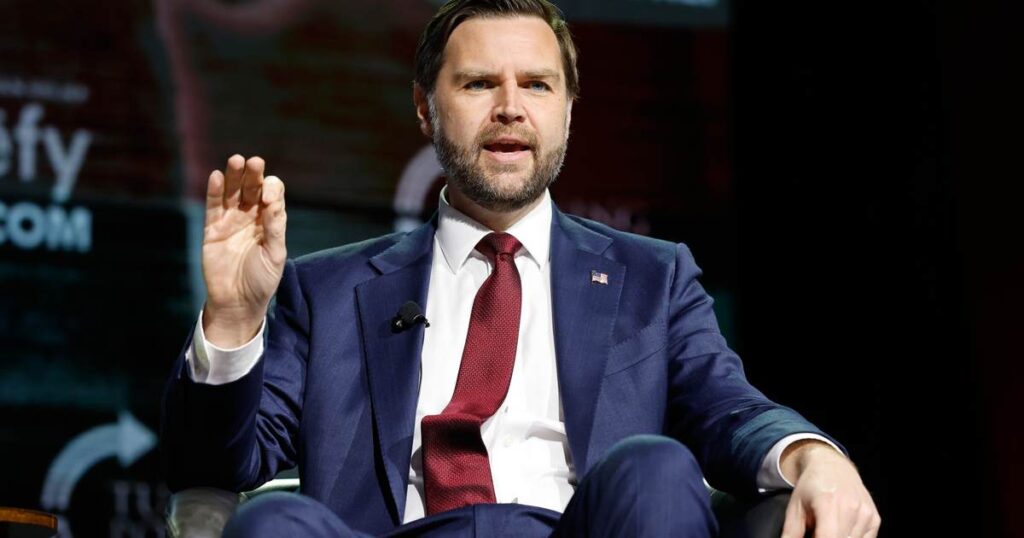
JD Vance’s apparent glide path to the 2028 Republican nomination is more than just another Beltway parlor game; it’s a referendum on whether the populist realignment that delivered the first pro-2A majority in a generation will harden into durable policy or dissolve into the same donor-class bromides that defined the pre-Trump GOP. Vance’s record—opposing red-flag laws without due process, backing national reciprocity, and framing the Second Amendment as an individual, not collective, right—has so far been more consistent than the transactional nods we’ve seen from some Senate colleagues. If Trump’s endorsement locks in the base early, the real test won’t be primary debates but whether Vance can translate that into Senate votes on suppressor deregulation and the Hearing Protection Act once the midterms reset the map.
Marco Rubio’s perennial presence on the short list is the tell that donor and institutional forces haven’t surrendered. Rubio’s past flirtation with “common-sense” restrictions and his willingness to cut deals on ATF funding make him the consensus pick for those who want a return to “Second Amendment, but…” rhetoric. The contrast matters: a Vance-led ticket would likely treat the right to keep and bear arms as non-negotiable infrastructure for a working-class coalition, while a Rubio lane would reopen the door to import bans, magazine restrictions, and quiet deals with states that already treat carry permits like driver’s licenses. For the 2A community, the 2028 stakes are therefore not abstract; they’re about whether the post-2024 regulatory thaw on pistol braces, braced firearms, and FFL reporting continues or reverses under a more conventional Republican.
The deeper implication is demographic. Vance’s appeal to Rust Belt and rural voters who view the Second Amendment as both cultural inheritance and practical tool against urban crime reframes gun rights as part of a broader populist economic message rather than a suburban hobby issue. That framing could lock in younger working-class men who abandoned Democrats in 2024, but only if the next administration pairs pro-2A legislation with tangible wins on wages and energy costs. Otherwise, the same voters who delivered the Senate and House majorities could stay home in 2028, leaving the institutional lane open for a Rubio-style nominee who treats the gun issue as a bargaining chip rather than a cornerstone.


