

Speaker Mike Johnson’s blunt warning about “radical Marxist insurgents” flooding into Congress isn’t just partisan theater—it’s a flashing red light for every gun owner who still believes the Second Amendment is the firewall between liberty and centralized control. When three more anti-Second Amendment voices from New York City’s Democratic primaries are poised to join the already hostile ranks on Capitol Hill, the math gets simple: every seat that flips left is another vote for magazine bans, red-flag laws, and the quiet administrative chokehold that never needs a floor vote. Johnson’s call to “vote now” lands with extra weight because the polling data from Cygnal shows Democrats are already more fired up for the midterms; if pro-2A voters stay home, the institutional left doesn’t even have to win big—it just has to show up while gun owners assume someone else will carry the load.
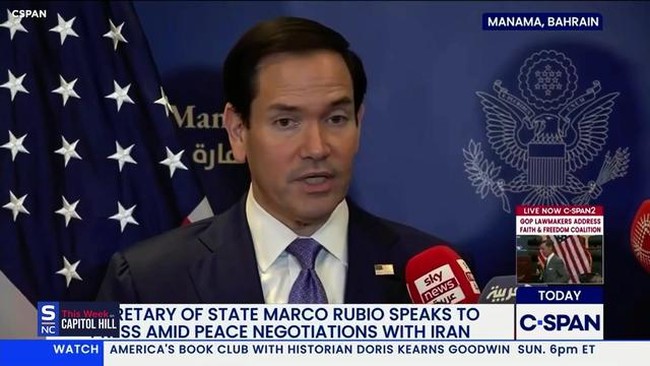
The same urgency shows up in the procedural games around the SAVE AMERICA Act. By tethering voter-ID language to a reconciliation bill, Speaker Johnson is admitting that four Republican senators are willing to tank basic election integrity measures; that kind of internal fracture is exactly what gun-grabbers exploit when they slip “ghost gun” rules or universal background-check expansions into must-pass spending packages. Meanwhile, Rep. Rick Crawford’s blunt assessment of Iran as a “death cult” rather than a conventional state reminds us that foreign policy isn’t abstract—every proxy conflict and sanctions fight can be used to justify domestic surveillance tools that later get turned on lawful gun owners under the banner of countering “extremism.” Tony Perkins’ reminder that America’s 250th birthday should be marked by virtue and fidelity to founding principles isn’t window dressing; it’s the cultural soil in which the right to keep and bear arms either thrives or withers.
For the 2A community the takeaway is brutally practical: enthusiasm gaps and Senate math matter more than another viral clip of a politician saying the right words. If Democrats maintain their turnout edge and institutional Republicans keep finding reasons to stall pro-liberty legislation, the next Congress will arrive already primed to treat the Second Amendment as a negotiating chip rather than a constitutional cornerstone. The only counter is disciplined, early participation—primary challenges, down-ballot focus, and an unapologetic refusal to let procedural excuses become permanent excuses for inaction.


