

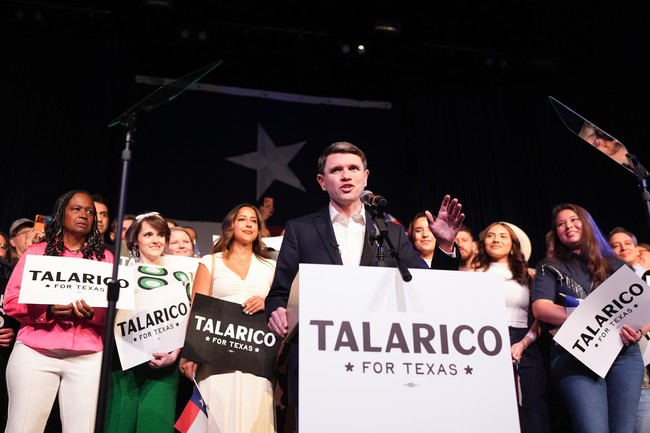
Scott Jennings’ takedown of Texas state Rep. James Talarico on CNN wasn’t just another cable-news spat—it was a reminder that the same politicians pushing magazine bans and “assault weapon” restrictions are also the ones who think biological males should compete in girls’ sports and that parents should have zero say in classroom gender lessons. Talarico’s record shows consistent support for red-flag laws that bypass due process and for closing the so-called “gun-show loophole,” positions that sound moderate in Austin media circles but poll like poison west of the Sabine River. Jennings’ point lands because Texas voters have repeatedly shown they can distinguish between actual public safety and the coastal-progressive wish list Talarico is peddling for a 2026 U.S. Senate run.
For the 2A community the stakes are straightforward: every time a candidate like Talarico normalizes the idea that the Second Amendment is a negotiable privilege rather than a fundamental right, it lowers the bar for the next round of restrictions. Texas has become the nation’s clearest real-world laboratory for constitutional carry, permitless open carry, and campus carry; any statewide candidate who treats those gains as reversible invites a backlash that could flip suburban and even some Hispanic precincts that Democrats have been courting. Jennings’ CNN appearance underscores that the cultural disconnect isn’t limited to pronouns or education—it extends directly to whether law-abiding citizens retain the means to defend themselves without first begging permission from Austin or Washington.
The larger implication is that 2026 will test whether Texas remains the firewall against national gun-control momentum or becomes another purple-state cautionary tale. If Talarico or any Democrat running on similar themes can’t defend their gun record without pivoting to “common-sense” talking points that still erode shall-issue permitting and due-process protections, they’ll hand pro-2A voters the turnout edge they need. Jennings didn’t just score debate points; he spotlighted the exact policy contrast that keeps Texas from sliding into the same restrictive regime already choking California and New York.


