

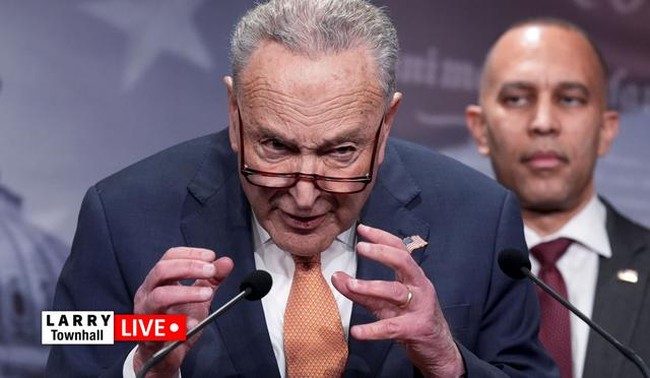
The Democratic Party’s internal revolt against Chuck Schumer and Hakeem Jeffries isn’t just another Beltway power struggle—it’s a warning flare that the old guard’s grip on messaging is slipping fast. When even the Senate Majority Leader and House Minority Leader can’t keep their own caucus in line, it signals that the party’s progressive base is no longer content with symbolic gun-control votes that poll well in Manhattan but fall flat in swing districts. For the 2A community, this fracture is an opening: every hour Democrats spend fighting one another is an hour they’re not coordinating new magazine bans, red-flag expansions, or ATF rulemakings that treat pistol braces like machine guns.
Zohran Mamdani’s awkward ABC interview only sharpens the contrast. While he tried to thread the needle between “common-sense safety” and outright confiscation rhetoric, the clip exposed how little daylight remains between the party’s left flank and its institutional leaders. That lack of daylight matters when the next Congress takes up appropriations riders or when states revisit permitless-carry reciprocity. A divided Democratic leadership means slower legislation, more internal leaks, and greater incentive for moderate Democrats to peel off on must-pass must-issue amendments—exactly the kind of procedural friction that has already stalled several high-profile gun bills this cycle.
JD Vance’s calm dismantling of Bill Maher’s talking points on the same program underscored a broader cultural shift the 2A world has been tracking for years: the old media gatekeepers no longer own the frame. When a sitting vice-presidential candidate can walk onto a late-night set and treat the Second Amendment as settled constitutional terrain rather than a negotiating chip, it normalizes the right to keep and bear arms in venues that once treated it as radioactive. The Schumer-Jeffries drama simply accelerates that normalization by keeping the opposition party’s energy pointed inward instead of at the gun-owning public.


