

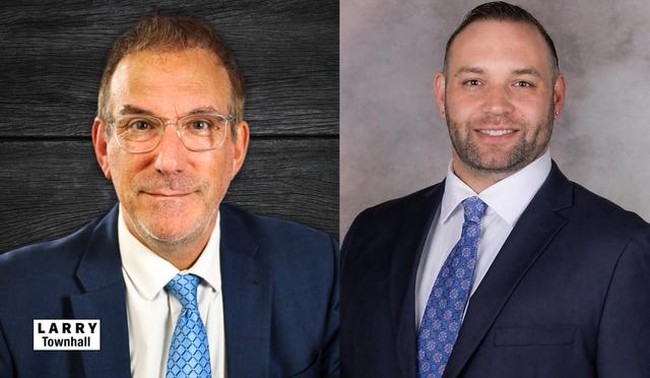
Ryan Cushman’s decision to bankroll nearly his entire MI-03 run with personal capital is more than a campaign gimmick; it’s a deliberate firewall against the donor-class veto that usually shapes GOP messaging on health care and guns. By rejecting PAC checks and billionaire sugar daddies, the pharmacy owner is betting that voters in western Michigan will reward authenticity over orthodoxy, and that same independence could translate into a willingness to defend the Second Amendment without the usual caveats about “common-sense” restrictions that donors quietly demand. His willingness to expand Medicaid while still calling himself a Republican already marks him as a heterodox figure; if he can thread that needle without trimming on constitutional carry or suppressor reform, he might prove that fiscal self-reliance and cultural-issue clarity are not mutually exclusive.
For the 2A community the stakes are straightforward: MI-03 is one of a handful of districts where a single seat could decide whether the next Congress treats the right to keep and bear arms as a settled constitutional question or as a bargaining chip in budget negotiations. Cushman’s outsider posture suggests he won’t be looking over his shoulder at the U.S. Chamber of Commerce or legacy gun-control groups when votes on national reciprocity or ATF rulemaking come up. If he wins, the template is obvious—self-funded candidates who treat the Second Amendment as non-negotiable could start crowding out the donor-vetted moderates who have spent the last decade trimming around the edges. That shift would matter far more than any single piece of legislation; it would change which voices even get invited into the room.


