

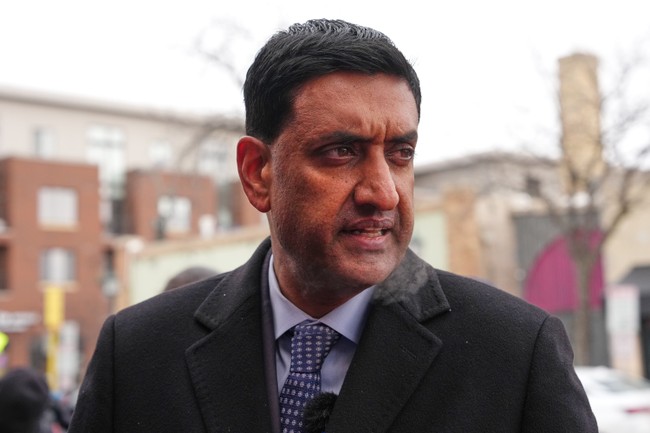
Ro Khanna’s declaration that supporting the Laken Riley Act should disqualify any Democrat from running for office is less about border security than it is about drawing a bright line between the party’s progressive base and the millions of working-class voters who still expect government to treat illegal immigration as a law-enforcement issue rather than a humanitarian slogan. The bill—named for the Georgia nursing student murdered by an undocumented Venezuelan national—would require detention of illegal aliens charged with theft, burglary, or assault, closing the catch-and-release loophole that turned Laken Riley’s campus into a crime scene. By framing even modest enforcement as political poison, Khanna is telling suburban and rural Democrats that their safety concerns are now officially outside the tent.
For the Second Amendment community the episode is a reminder that immigration enforcement and gun rights are two sides of the same sovereignty coin. When sanctuary jurisdictions refuse to honor ICE detainers, they effectively import a population whose criminal element is statistically more likely to violate both immigration law and state firearm statutes. Every time a prohibited person is released instead of removed, the statistical risk of a later prohibited-person-in-possession case rises, feeding the very “gun violence” narrative that anti-2A lawmakers then use to justify magazine bans and red-flag laws. Khanna’s purity test therefore doubles as an implicit endorsement of policies that keep future prohibited possessors inside the country and inside the data sets gun-control advocates cite.
The larger implication is that 2026 and 2028 Democratic candidates will face an electoral loyalty test on immigration that will also function as a loyalty test on guns. Lawmakers who refuse to detain criminal aliens will be celebrated by the activist left but exposed in swing districts where voters already link open-border policies to rising street crime and the subsequent push for gun confiscation. The Laken Riley Act may never become law, but Ro Khanna has already turned it into a useful litmus strip: any Democrat who fails it will be running in primaries where the loudest voices oppose both secure borders and secure gun rights.


