

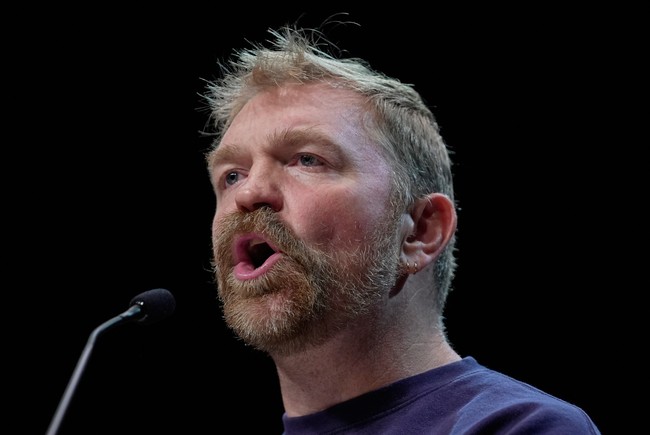
Platner’s decision to sidestep Fetterman’s demand for full text disclosure has turned a routine campaign spat into a cautionary tale for gun owners watching the 2026 Maine Senate contest. By releasing only carefully curated snippets while withholding the rest, Platner invites the same skepticism that already dogs candidates who treat transparency as optional; in a state where rural voters still prize straight talk over spin, that hesitation risks painting him as another coastal transplant more comfortable with coastal media framing than with the folks who actually fill the woods on opening day. The move also hands Fetterman—himself no friend of the Second Amendment—an easy line of attack that reframes the race around character rather than policy, a lane where gun-control advocates have historically excelled at turning personal opacity into legislative momentum.
For the 2A community the stakes are straightforward: whichever candidate emerges will help shape the Senate’s balance on magazine bans, pistol braces, and the next Supreme Court vacancy. Platner’s reluctance to let voters see the unfiltered exchanges suggests he may be calculating that full candor could alienate the donor class that funds gun-control PACs, while Fetterman’s challenge, however opportunistic, underscores how quickly text threads become campaign fodder when an incumbent senses weakness. If Platner cannot close the transparency gap before Labor Day, expect the issue to metastasize into broader doubts about whether he will defend the fundamental right to keep and bear arms or simply manage its continued erosion under the guise of “common-sense” compromise.


