

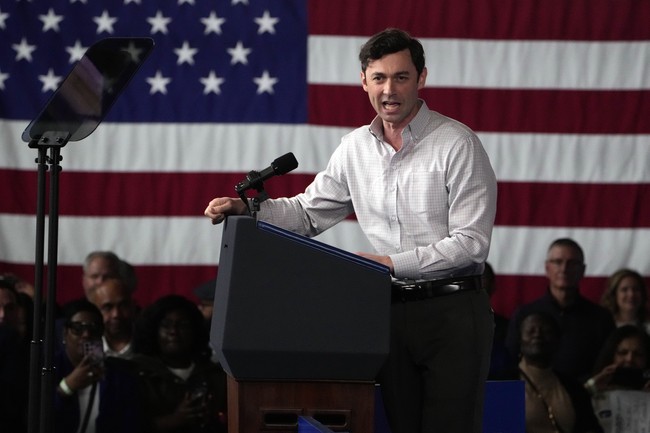
Georgia’s junior senator has once again spotlighted the widening gulf between the state’s two U.S. senators on the Second Amendment, and the contrast is more than just political theater. While Senator Ossoff continues to champion restrictions that echo national Democratic priorities—universal background checks, red-flag laws, and renewed pushes for assault-weapon measures—his senior colleague, Senator Warnock, has at times struck a more cautious tone attuned to rural and suburban voters who still prize their firearms. That split matters in a state whose explosive population growth has brought both coastal transplants and long-time gun owners into the same electorate, turning what used to be reliably conservative terrain into contested ground where gun policy can swing turnout.
For the 2A community the takeaway is strategic rather than purely partisan. Ossoff’s voting record gives gun-control advocates a reliable voice inside the majority, yet it also hands pro-rights groups a clear target for mobilization in 2026 and beyond. Grass-roots organizations can now point to specific roll-call votes when they recruit in exurban counties where hunting culture and personal-defense traditions remain strong. At the same time, the disparity between the two senators underscores how fragile majorities are: any softening by Warnock or any future Republican challenger could reset the balance on committees that shape funding for the ATF and shape the tone of judicial nominations.
Ultimately, the Ossoff-Warnock divergence is a reminder that national gun debates are still filtered through local realities. Georgia’s mix of military installations, outdoor industry jobs, and constitutional-carry statutes creates a constituency that notices when federal policy drifts from state practice. Pro-Second-Amendment advocates who treat this disparity as an organizing opportunity—rather than simply another D.C. headline—stand to gain both votes and volunteers in the next election cycle.


