

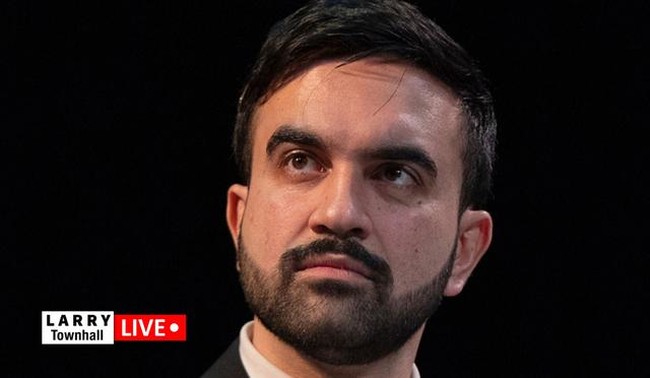
The boos that chased Zohran Mamdani off the stage in Queens weren’t just the sound of a politician losing a crowd—they were the unmistakable echo of a city that has finally had enough of being told its safety is negotiable. While officers formed a thin blue line to keep the furious audience from reaching the podium, the moment crystallized what the 2A community has been warning about for years: when elected officials treat lawful self-defense as a punchline, the people they claim to represent will eventually answer back. Mamdani’s brand of “abolish and defund” rhetoric has always played well in donor-funded echo chambers, but it collides violently with the lived experience of New Yorkers who watched smash-and-grab crews and subway slashings become routine after the last round of anti-cop posturing.
For gun owners, the scene is both vindication and warning. Every time a city councilor or state legislator promises that “we’ll protect you” while simultaneously tightening the rules on who may carry, the gap between promise and reality widens. The crowd’s fury wasn’t manufactured outrage; it was the predictable backlash when residents realize the only people still armed are the criminals and the bodyguards of the politicians who disarmed everyone else. The 2A community has long argued that shall-issue permitting and constitutional carry aren’t luxuries—they’re the pressure-release valve that keeps civic anger from boiling over into street-level chaos. Mamdani’s ejection proves the point: when government fails to secure the streets, citizens will reassert their right to secure themselves.
The larger implication is that the next electoral cycle will be fought not over abstract “equity” slogans but over the concrete question of who gets to walk the city without fear. If Democrats continue to field candidates who treat the Second Amendment as an embarrassing relic rather than a practical necessity, they will discover that even deep-blue audiences have a breaking point. The 2A movement’s task is to meet that moment with disciplined messaging: we don’t want vigilantism, we want the legal tools—permitless carry, constitutional reciprocity, and an end to one-way “gun-free” zones—that let ordinary people become their own first responders until the police arrive. Mamdani’s forced retreat under police protection may be remembered less as a gaffe and more as the first loud crack in a political monopoly that has long assumed urban voters would accept diminished rights in exchange for diminished safety.


