

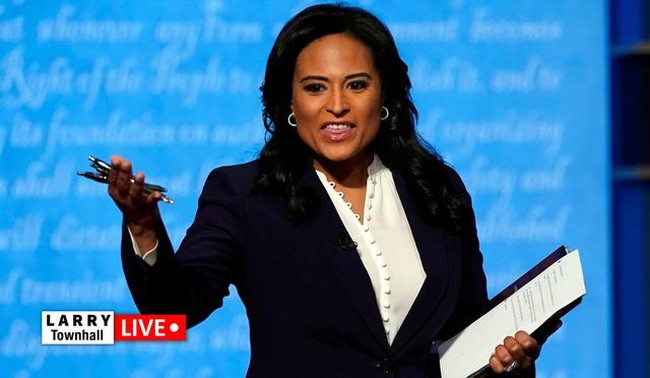
In a fiery exchange that quickly went viral, President Trump cornered NBC’s Kristen Welker on live television, exposing what he called California’s deliberate concealment of mail-in ballot irregularities that could have altered the 2020 outcome. Welker’s defensive posture crumbled as Trump rattled off documented instances of ballots arriving without postmarks, unsigned envelopes accepted anyway, and chain-of-custody logs that mysteriously vanished—details the corporate press had largely ignored. The moment underscored how legacy media outlets, rather than scrutinizing state election officials, often act as gatekeepers shielding progressive strongholds from accountability.
For the Second Amendment community the stakes extend far beyond one election cycle. When mail-in processes lack transparency, the same political machines that push “universal background checks” and “red flag” laws gain the power to tilt legislatures and courts against gun owners for decades. California’s track record—pairing lax ballot security with the nation’s most restrictive carry laws—illustrates the danger: once officials can manufacture or suppress votes at scale, constitutional protections become bargaining chips rather than guarantees. The episode should serve as a warning that vigilance over election integrity is inseparable from defending the right to keep and bear arms; without trustworthy ballots, every other right rests on shaky ground.


