

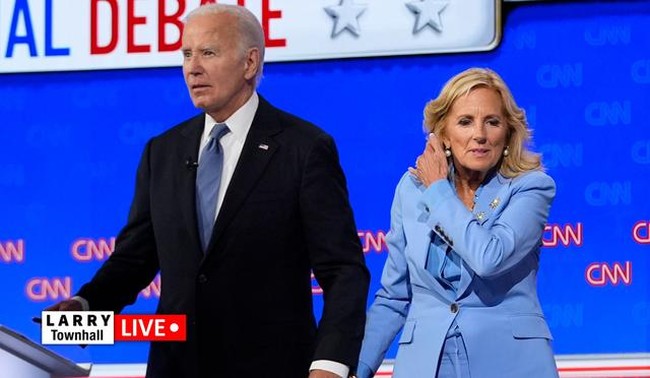
Jill Biden’s post-debate explanation—that her husband’s performance was simply the result of a “bad night” rather than any deeper cognitive concern—lands like a live round in the middle of a gun-control debate: it forces everyone to pick a side and defend it. For the Second Amendment community, the moment is instructive because it underscores how quickly political narratives can be weaponized to justify sweeping policy changes. When the White House insists that a single “off night” is the only problem, it invites the same logic that gun-control advocates apply to every high-profile shooting: one incident, one statistic, one emotional appeal is enough to curtail rights that were designed to survive bad days and bad actors alike.
The ripple effects extend beyond November. If the administration can reframe a presidential collapse as an anomaly rather than a systemic failure, it can just as easily portray defensive gun uses—thousands each year—as statistical outliers unworthy of consideration in policy debates. Law-abiding carriers already know that the right to keep and bear arms exists precisely because governments and their officials are fallible; the Biden explanation only reinforces that point. Meanwhile, the same political machinery that downplays cognitive fitness is still pushing “ghost gun” rules, pistol-brace edicts, and universal background-check expansions that treat every owner as a presumptive risk rather than a presumptive citizen.
For 2A advocates, the takeaway is straightforward: stay ready, stay factual, and refuse to let one bad night—or one bad bill—become the pretext for permanent disarmament. The same skepticism now aimed at the White House stage should be trained on every legislative chamber where rushed restrictions are introduced in the wake of tragedy or political theater. Rights are not seasonal; they are safeguards against the very human tendency to over-correct after a single, uncomfortable moment in the spotlight.


