

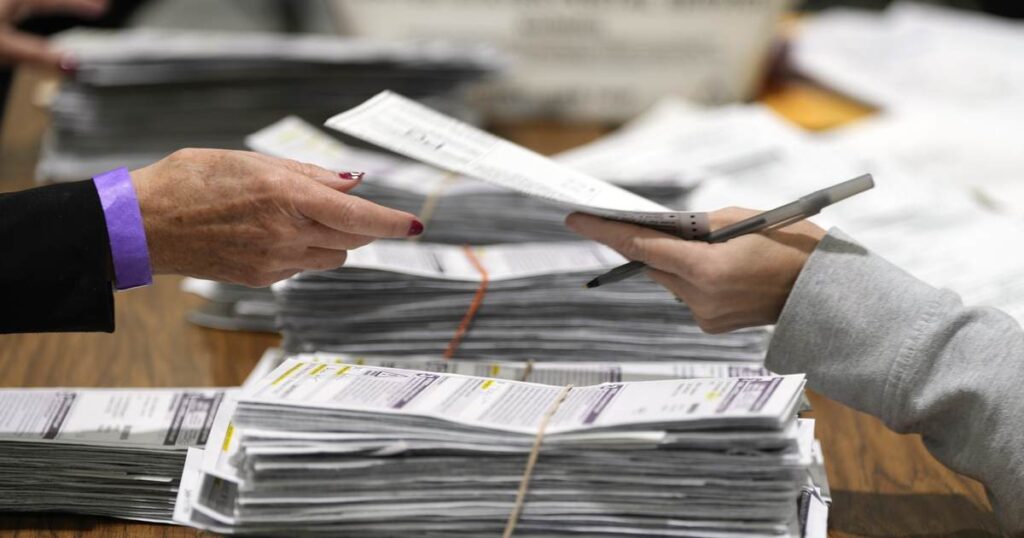
California’s glacial pace in tallying ballots this cycle isn’t just another bureaucratic hiccup—it’s a flashing warning light for anyone who still believes elections are decided on Election Night. While most states finish counting within days, the Golden State’s mail-in regime, combined with its refusal to clean voter rolls or impose meaningful ID requirements, stretches the process into weeks. That lag creates a perfect window for selective “discoveries” of ballots, quiet rule changes by county registrars, and last-minute legal maneuvering that can flip razor-thin races without ever facing real-time scrutiny from voters or the press.
For the 2A community the stakes are obvious and immediate. Pro-gun measures, from constitutional carry expansions to challenges against magazine bans and “assault weapon” restrictions, often hang on legislative majorities or statewide propositions that can shift by a few thousand late-counted ballots. When the final numbers dribble out days or weeks after polls close, grassroots mobilization loses its leverage; donors and activists have already moved on, and the media narrative has already hardened around whatever preliminary result favors the anti-gun side. The longer the count drags, the easier it becomes for Sacramento to treat Second Amendment rights as items on a spreadsheet rather than settled constitutional protections.
The practical takeaway is that election integrity isn’t an abstract concern—it’s the infrastructure that either protects or erodes every other right, including the right to keep and bear arms. Until California adopts same-day in-person counting, strict signature verification, and aggressive voter-roll maintenance, the 2A community will continue fighting uphill against a system designed to reward delay and opacity.


