

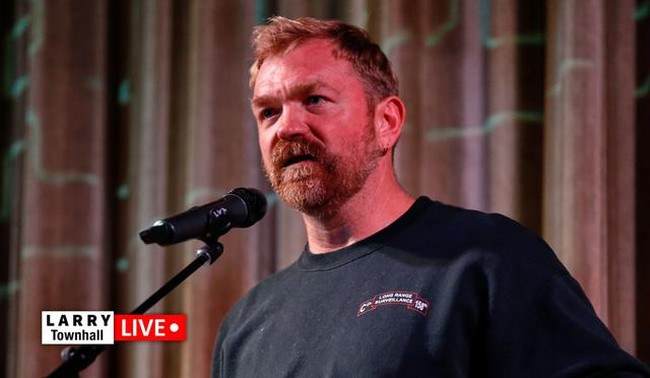
Graham Platner’s sudden political implosion isn’t just another Beltway scandal—it’s a textbook case of how quickly the modern Democratic machine will throw its own under the bus the moment optics turn inconvenient. The same party that once embraced Bernie Sanders’ brand of populist fire now appears to be distancing itself from Platner at warp speed, leaving the candidate publicly stranded and the Vermont senator awkwardly exposed. For Second Amendment advocates, the episode is a reminder that progressive coalitions are held together by fragile alliances of convenience; when one faction’s priorities clash with another’s, loyalty evaporates faster than campaign donations.
The real lesson for the gun-rights community lies in the contrast between rhetoric and reality. Democrats who spent years courting rural and working-class voters with promises of “common-sense” gun measures are now revealing how little appetite they have for candidates who stray even an inch from the approved script. Platner’s abandonment signals that any deviation—whether on guns, crime, or cultural issues—will be treated as radioactive, regardless of how much grassroots energy a candidate once generated. That dynamic should steel pro-2A voters and donors to keep investing in candidates who treat the right to keep and bear arms as non-negotiable rather than a bargaining chip.
Longer term, the episode underscores why the 2026 and 2028 cycles will hinge less on flashy national narratives and more on which side can actually hold together a durable coalition. If Democrats continue to jettison anyone who fails a purity test, they risk ceding ground in purple districts where gun owners still decide close races. For those of us who view the Second Amendment as the cornerstone of individual liberty, the takeaway is straightforward: stay organized, stay vocal, and never assume the other side’s internal fractures will automatically translate into policy wins—only sustained pressure and electoral accountability will do that.


