

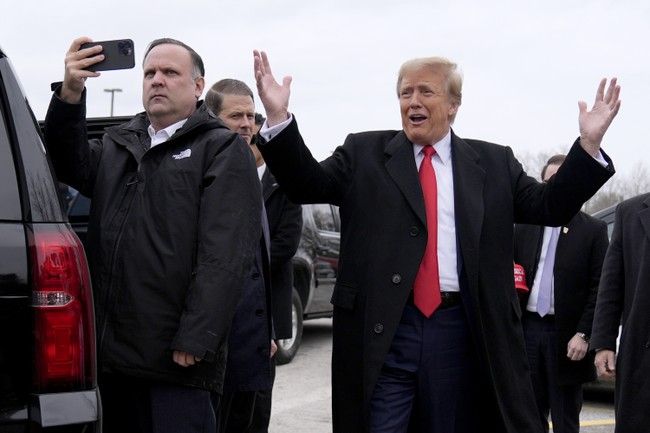
Dan Scavino’s latest post on X isn’t just another Washington finger-pointing exercise—it’s a calculated shot across the bow of whoever’s been feeding the press from inside the Trump orbit. By publicly declaring that the leakers “know who they are” and promising consequences, Scavino is doing more than venting; he’s signaling that the administration’s inner circle is tightening the hatches and that the days of anonymous sourcing may be numbered. For the firearms community, that matters because the same leaks that have dogged policy rollouts on everything from ATF rule changes to DOJ enforcement priorities have repeatedly been used to float trial balloons that later became real threats—pistol-brace bans, universal background-check proposals, even quiet pushes to expand the definition of “engaged in the business.” When the drip-drip of selective disclosures dries up, the 2A world gains breathing room to organize, litigate, and push back before regulations are already baked into the Federal Register.
The deeper implication is that Scavino’s warning doubles as a loyalty test. Staffers who have grown comfortable treating the White House as a résumé line or a media-access goldmine now have to weigh the risk of being publicly identified against the short-term dopamine hit of a “senior official” quote in the New York Times. That recalibration could slow the steady seepage of internal documents that anti-gun activists have used to gin up outrage and fundraising. In practical terms, fewer leaks mean fewer rushed midnight-rulemakings that bypass normal notice-and-comment periods, and it also complicates the media’s ability to portray every internal debate as an imminent crackdown on gun owners. The 2A community should watch not just what policies emerge, but how cleanly they emerge; a leak-proof process is a slower, more accountable one—and that’s usually good news for the right to keep and bear arms.


