

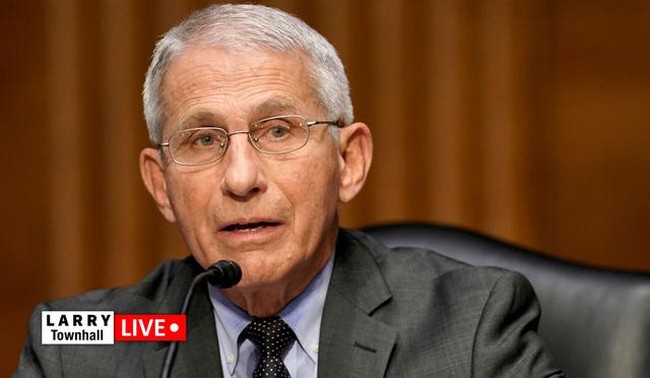
The Fauci diary leak isn’t just another Beltway scandal—it’s a textbook case of how the administrative state’s reflexive secrecy can boomerang on the very people who weaponized it. When Rand Paul’s investigation pried loose the former NIAID director’s private notes, the public finally saw the internal doubts that were never aired during the two-year lockdown regime. That matters to gun owners because the same agencies that quietly second-guessed their own COVID policies are the ones that now claim “public safety” demands universal background checks, red-flag laws, and an AWB reboot. If the diary shows Fauci hedging on science while publicly demanding compliance, it undercuts the moral authority agencies need to sell gun owners on “trust us, we know what’s best.”
The political fallout is equally instructive. Trump’s roast of the Sunday-show chorus line and the viral Fox News moment with the Democratic Socialists co-chair both underscore a widening credibility gap: voters are less willing to outsource judgment to credentialed experts who treat dissent as misinformation. For the 2A community, that skepticism is oxygen. Every time a new study or “emergency regulation” lands from ATF or CDC, the first question is no longer “What does the data say?” but “What aren’t they telling us this time?” The diary leak accelerates that shift, making it harder for the administrative class to portray gun-control initiatives as neutral public-health measures rather than policy preferences dressed up in lab coats.
Longer term, the episode is a reminder that institutional overreach often plants the seeds of its own reversal. Just as the diary undercuts the narrative that only Dr. Fauci could interpret “the science,” it weakens the case that only DOJ or ATF can interpret the Second Amendment. Grass-roots activists now have fresh talking points for statehouses and courtrooms: if the experts can’t be trusted with their own pandemic notes, why should they be trusted with your firearms? The leak won’t single-handedly topple the regulatory state, but it adds another documented crack in the wall—and every crack makes the next court challenge, the next state preemption bill, and the next election a little more winnable for the pro-2A side.


