

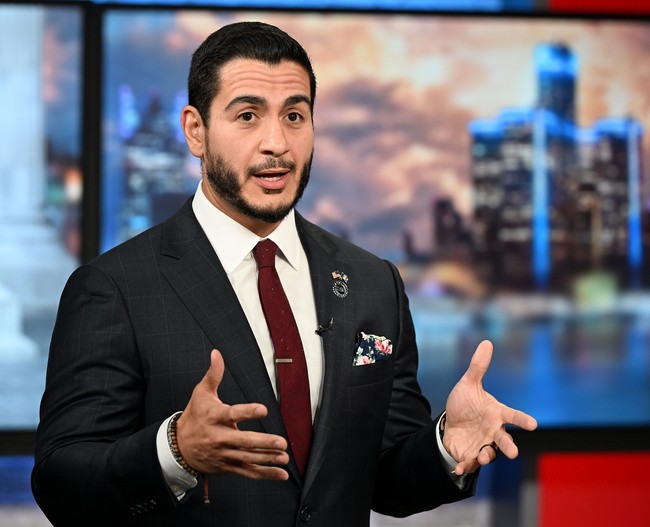
El-Sayed’s attempt to paint Rogers as an extremist backfired because the attack relied on the tired playbook of equating support for the Second Amendment with “dangerous” politics. Instead of isolating Rogers, the ad spotlighted how mainstream constitutional carry and permitless concealed carry have become in Michigan, turning the issue into a liability for the attacker rather than the target. Voters saw the move for what it was: an effort to import coastal talking points into a state where millions of law-abiding citizens own firearms for self-defense, hunting, and sport.
The episode also underscores a broader shift in how gun owners evaluate candidates. Rather than reacting to scare ads, they’re increasingly looking at records—Rogers’s consistent defense of shall-issue permitting reform and opposition to magazine bans versus El-Sayed’s embrace of “assault weapon” restrictions and red-flag proposals that lack due-process safeguards. That contrast matters in a race that could decide Senate control, because the margin in Michigan is often measured in counties where recreational shooting and small-game hunting remain cultural touchstones.
For the 2A community, the takeaway is strategic as much as electoral: when opponents lead with gun-control messaging, the disciplined response is to let the policy details do the talking. Michigan’s voters have shown they can distinguish between actual public-safety measures and symbolic restrictions that mainly burden the compliant, and that discernment is likely to shape both the 2026 outcome and the tone of future campaigns.


