

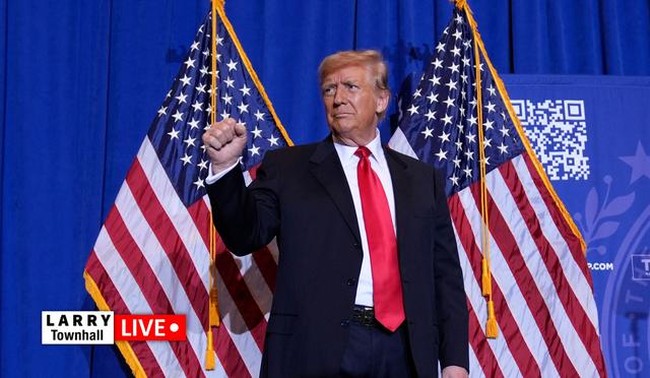
The interview reveals a president who has internalized the mechanics of the 2026 midterms the way a competitive shooter studies wind calls and target transitions—every variable mapped, every timing window understood. Trump’s grasp of how House and Senate maps, state-level redistricting, and the new voter-ID regimes will interact shows he’s not treating 2026 as a distant afterthought; he’s already gaming the sequence that could lock in or unravel the gains made since 2024. For the 2A community that means the difference between another two years of defensive trench warfare and the possibility of a legislative runway long enough to codify national reciprocity or force ATF rulemakings back into the sunlight of congressional oversight.
What stands out is his willingness to frame gun-owner turnout as the decisive swing factor rather than a given. By linking primary challenges, state attorney-general races, and even school-board contests to the survival of pro-carry legislation, Trump is effectively telling carriers that their ballots in 2026 will ratify—or revoke—the policy breathing room created by the Supreme Court’s recent textualism. That message lands differently than the usual “buy more guns” boilerplate; it treats the electorate as a precision instrument whose zeroing must be checked every cycle, not assumed to hold zero.
The downstream effect is a quiet recalibration inside gun culture itself. Instead of measuring progress solely by the number of new state constitutional carry laws, organizations are beginning to model 2026 as the first nationwide stress test of whether demographic shifts plus expanded background-check infrastructure can be blunted by disciplined, data-driven voter contact. If Trump’s read of the map is correct, the industry’s next product cycle may matter less than its next volunteer-cycle—range days traded for door-knocking shifts in the very suburbs both parties now treat as the decisive terrain.


