

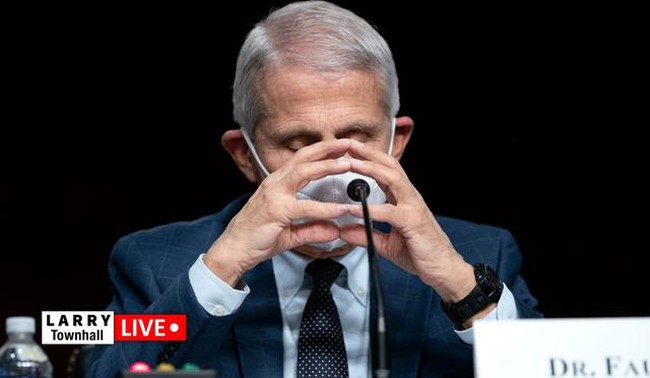
The spectacle of Dr. Anthony Fauci invoking the Fifth Amendment before a Senate committee wasn’t just another D.C. sideshow—it was a master class in how the administrative state shields itself from accountability. When Rand Paul and Josh Hawley pressed him on gain-of-function research, pandemic policy, and the origins of COVID-19, Fauci’s refusal to answer spoke louder than any prepared statement. For Second Amendment supporters, the scene was a stark reminder that the same federal agencies that once demanded Americans surrender their liberties in the name of “public health” are now equally unwilling to explain their actions to the people’s elected representatives.
That institutional arrogance has direct consequences for gun owners. The same bureaucratic mindset that justified unprecedented lockdowns and mandates has, for decades, treated the right to keep and bear arms as a regulatory nuisance rather than a constitutionally protected liberty. When agencies operate above scrutiny—whether they’re rewriting public-health rules or quietly expanding ATF interpretations of pistol braces and “ghost guns”—the result is the slow erosion of individual rights under the guise of expertise. Fauci’s performance underscored why the 2A community must remain vigilant: if unelected officials can plead the Fifth on matters of national consequence, they can just as easily reinterpret statutes to restrict firearms without ever facing voters at the ballot box.
The takeaway is straightforward. Trust in federal institutions is not rebuilt by more press conferences; it is rebuilt by restoring constitutional checks that force transparency and limit mission creep. For gun owners, that means supporting lawmakers who treat the administrative state’s overreach as a systemic threat rather than a partisan talking point. The day unelected officials must answer for their decisions is the day the Second Amendment—and every other enumerated right—regains its proper place as a check on government power, not a favor granted by it.


