

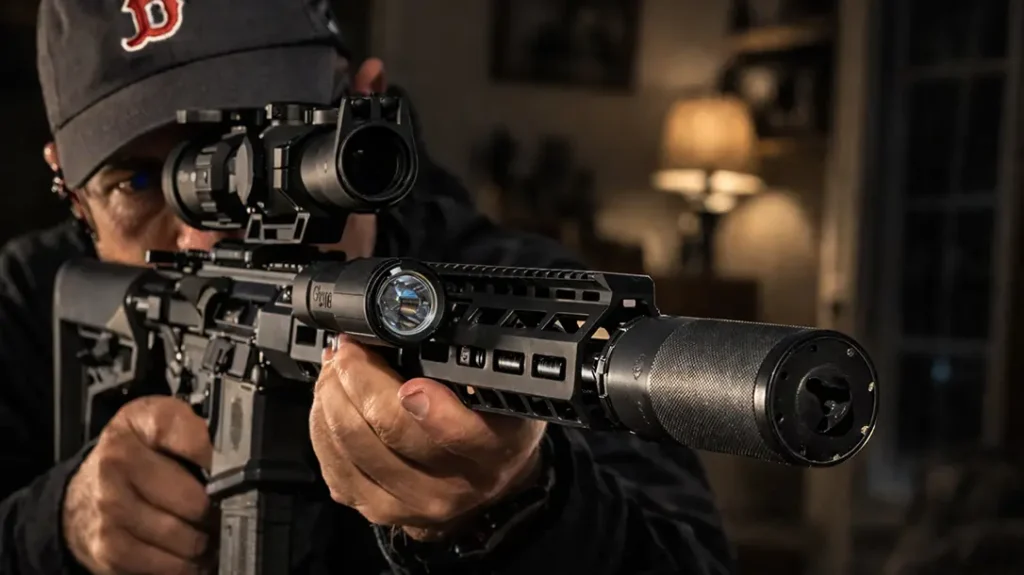
Suppressors have long been treated like the black sheep of the gun safe, but the recent removal of the $200 NFA tax stamp is forcing a long-overdue re-evaluation of their role in home defense. Far from the Hollywood “silencer” myth, a quality suppressor reduces peak sound pressure by 20–35 dB—enough to keep a 5.56 carbine inside the 140 dB threshold where permanent hearing damage begins. In the chaos of a 3 a.m. bump-in-the-night, that margin can mean the difference between situational awareness and temporary deafness that masks footsteps, door breaches, or the voice of a family member. The financial barrier’s collapse also democratizes access: a $400–600 suppressor now costs less than many red-dot sights, shifting the conversation from “if” to “which mount and length.”
For the broader 2A community, this policy shift is more than a consumer win; it reframes the narrative around responsible ownership. Lawmakers who once equated suppressors with assassins’ tools are quietly conceding that reduced auditory signature protects both the defender and innocent bystanders—an argument that aligns with the “shall not be infringed” ethos rather than the “sporting purposes” test. Early adopters who integrate suppressors into their HD load-outs are effectively beta-testing a future where hearing-safe defensive firearms are normalized, not exceptional. The ripple effect could extend to training culture: ranges that once banned supersonic ammo may now welcome suppressed practice sessions, accelerating skill-building without ear-pro conflicts.
Ultimately, the suppressor’s move from novelty to staple underscores a maturing gun culture that values capability over concession. As more households adopt them, the industry will respond with shorter, lighter, and even less expensive options, further embedding the technology into everyday defensive doctrine. The $200 stamp’s demise isn’t just a line-item victory; it’s a tacit admission that sound moderation enhances—not threatens—public safety, and that the Second Amendment protects tools that let citizens defend life and limb without sacrificing their own senses in the process.


