

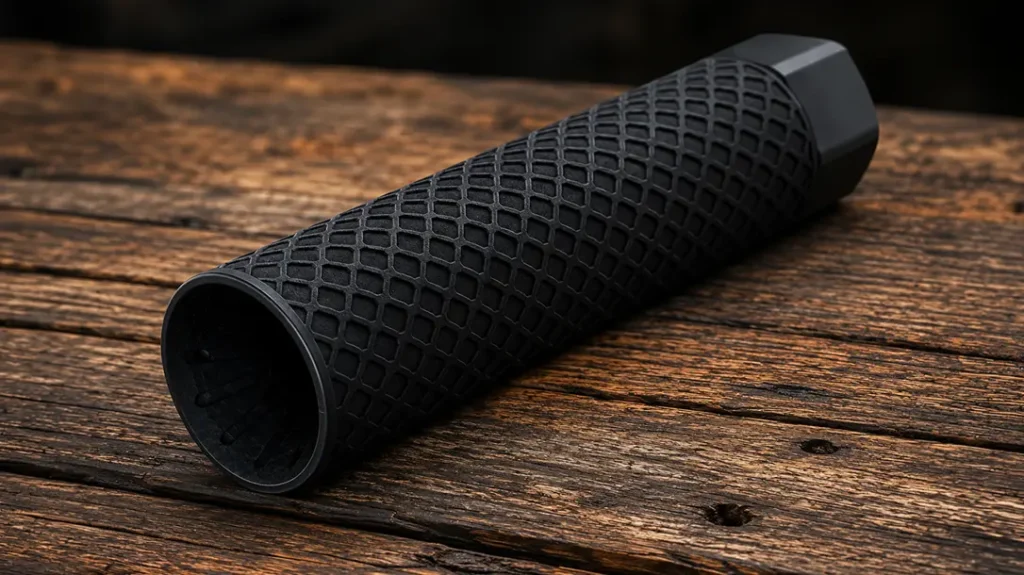
The rise of additive manufacturing in the firearms world isn’t just a tech footnote—it’s a quiet revolution that’s putting serious capability back into the hands of individuals rather than institutions. When companies like Q lean into titanium 3D-printed components for rifles such as the 12″ Mini Fix in 6mm ARC, they’re not merely shaving ounces; they’re proving that precision, strength, and customization no longer require massive factories or government contracts. For the 2A community this matters because it lowers barriers to entry for high-performance gear while simultaneously exposing how outdated regulatory mindsets still treat firearms as if they’re stuck in the 20th century. The same forces driving lighter, stronger suppressors and modular chassis are also making it harder for anti-gun arguments about “assault weapons” to keep up with reality—today’s rifles are tools of precision and efficiency, not the cartoonish menaces portrayed in headlines.
At the same time, the broader market signals are telling: while legacy manufacturers like Smith & Wesson roll out new pistol-caliber carbines and 22LR platforms, the real conversation is shifting toward what individuals can build, modify, and source themselves. Ammo price volatility and spotty availability have already pushed shooters toward smarter tools and direct-to-consumer channels; now the same mindset is bleeding into hardware. The 2A community that once relied on big-box inventories is rapidly becoming a network of makers, small-batch innovators, and informed buyers who treat firearms as evolving systems rather than static products. That cultural shift carries weight far beyond any single rifle or truck—it’s a reminder that rights exercised through skill, knowledge, and technology are far harder to erode than rights treated as mere consumer choices.


