

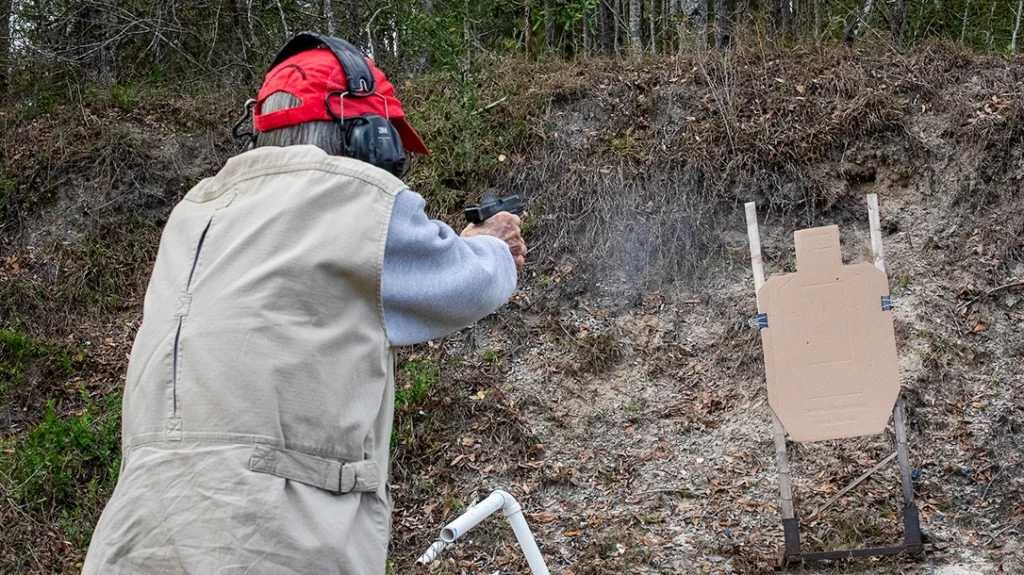
The fastest draw is to have the gun in your hand to begin with—an old truth that predates the frontier and still cuts through every modern training drill. In an era when concealed-carry permits are expanding and everyday carriers are expected to master both safety and speed, the line reminds us that no holster, no grip, no draw-stroke can outrun the simple advantage of already being armed. The real contest, then, shifts from the split-second snatch to the slower, more deliberate decisions of when, where, and how openly we choose to carry. For the 2A community, that means treating “access” as a lifestyle question rather than a technique question: pocket carry versus appendix, open versus concealed, loaded chamber versus empty, all become strategic choices that either shorten or lengthen the distance between threat and response.
Yet the quote also exposes a tension at the heart of contemporary carry culture. The same legal framework that celebrates the right to bear arms often nudges carriers toward deeper concealment—smaller guns, lighter triggers, appendix positions that print less but slow the draw. Training companies sell gear promising fractions of a second shaved from the timer, while statutes and social norms push the firearm farther from the hand. The implication is clear: speed is only as useful as the legal and cultural space we preserve to keep the gun accessible in the first place. If permitless carry, constitutional carry, and open-carry statutes continue to spread, the practical distance between “gun on hip” and “gun in hand” shrinks, restoring some of that Old West calculus where readiness was assumed rather than engineered.
Ultimately, the line challenges carriers to audit not just their draw stroke but their entire posture toward self-reliance. It asks whether we are optimizing for the range or for reality—whether endless holster tweaks are compensating for a deeper reluctance to appear armed in public. In a political climate where the right to keep and bear arms is both expanding in statute and contested in courts and culture, the fastest draw may depend less on stippling and serrations than on the willingness to normalize visible readiness. The gunfighter’s wisdom endures: the surest way to win the fight is to arrive already in it.


