

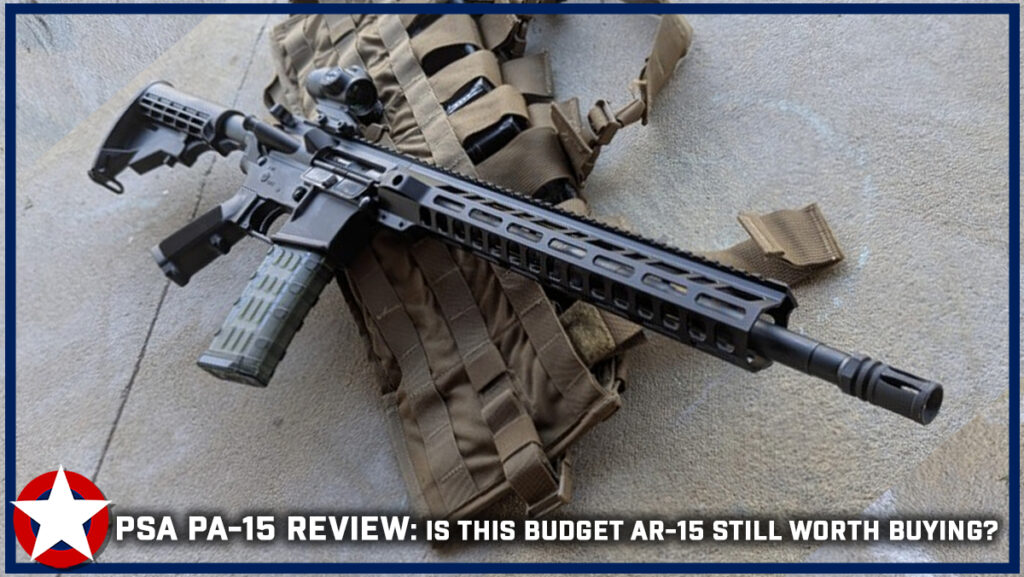
The PSA PA-15 has long been the gateway rifle for countless first-time AR buyers, and its continued relevance in 2025 says more about market dynamics than any single feature set. At street prices that still hover well under $500 for a complete rifle, the platform delivers mil-spec dimensions, a nitride-finished barrel, and the kind of aftermarket support that turns a budget carbine into a duty-capable or competition-ready firearm with a few hundred dollars in upgrades. What keeps the model viable is not nostalgia; it is the fact that PSA’s vertical integration lets them absorb material and labor cost spikes that would shutter smaller shops, preserving an entry point for new shooters who might otherwise be priced out entirely.
That accessibility carries weight in the broader rights debate. Every time inflation, regulation, or supply-chain snarls threaten to push baseline defensive firearms beyond reach, the PA-15 functions as a pressure-release valve that keeps civilian ownership numbers climbing. Critics who dismiss it as “just a budget gun” overlook how those same rifles, once accessorized with quality optics and triggers, routinely serve in local service-rifle matches and home-defense roles where reliability matters more than brand prestige. The model therefore operates as both an economic bellwether and a quiet rebuttal to the notion that modern sporting rifles are luxuries reserved for the affluent.
For the 2A community the takeaway is straightforward: defending the right to keep and bear arms includes defending the right to acquire them at prices ordinary wage-earners can manage. As long as PSA maintains consistent quality control and the aftermarket continues to embrace the platform, the PA-15 will remain less a compromise than a calculated first step that expands the pool of trained, equipped citizens—an outcome that strengthens the practical exercise of the right itself.


