

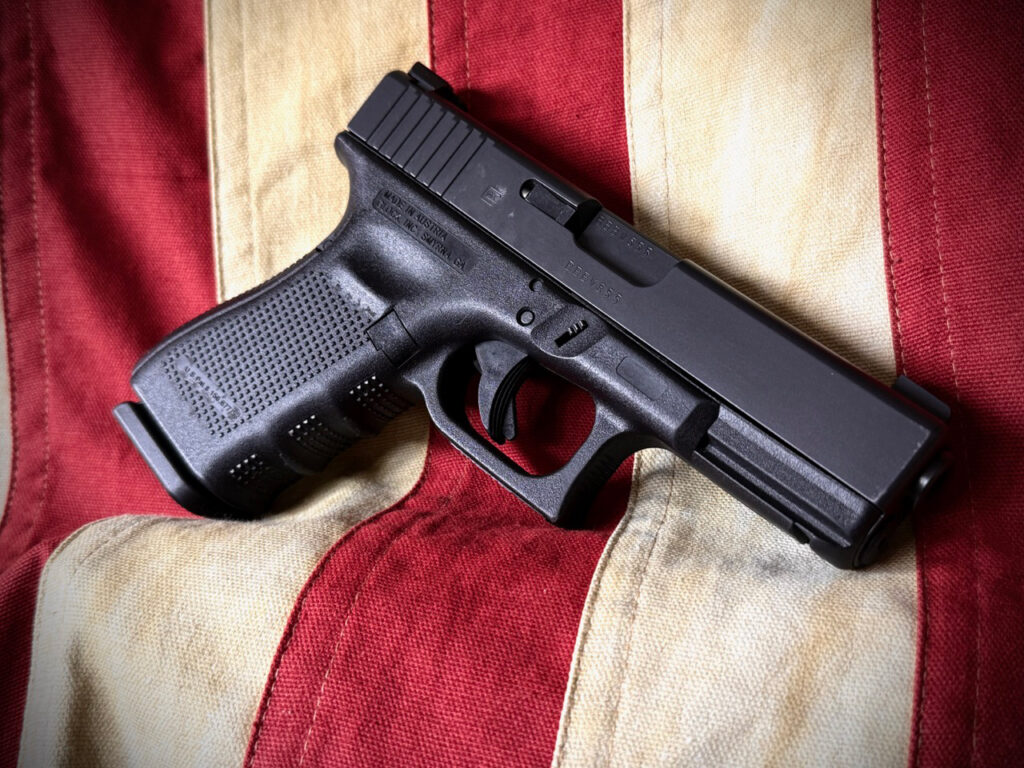
When Gaston Glock unveiled his polymer-framed pistol in 1982, the firearms world dismissed it as a toy—until law enforcement agencies from Austria to the United States began adopting it in droves, proving that lighter weight, higher capacity, and legendary durability could coexist without traditional steel. The Gen5 models that followed refined that original formula with ambidextrous controls, improved triggers, and suppressor-height sights, yet the core innovation remains the same: a handgun that shrugs off abuse while fitting a wider range of shooters than its all-metal predecessors ever could. For the 2A community this matters because Glock’s market dominance forced every major manufacturer to chase polymer construction, driving down prices and expanding options for civilians who rely on these tools for lawful self-defense.
The ripple effects extend beyond ergonomics and capacity. By normalizing striker-fired, polymer pistols as the default duty and carry choice, Glock helped shift training doctrine toward higher round counts and faster reloads, skills that translate directly to responsible armed citizens. Critics who once warned that “plastic guns” would somehow evade detection or regulation have been proven wrong; serial-number traceability and ATF oversight remain unchanged, while the platform’s aftermarket ecosystem—holsters, optics cuts, and parts—has created thousands of small businesses that strengthen the broader gun culture. In an era of renewed legislative pressure, the Glock story reminds us that innovation born from practical need often outpaces attempts to restrict access, keeping effective defensive tools in civilian hands.


