

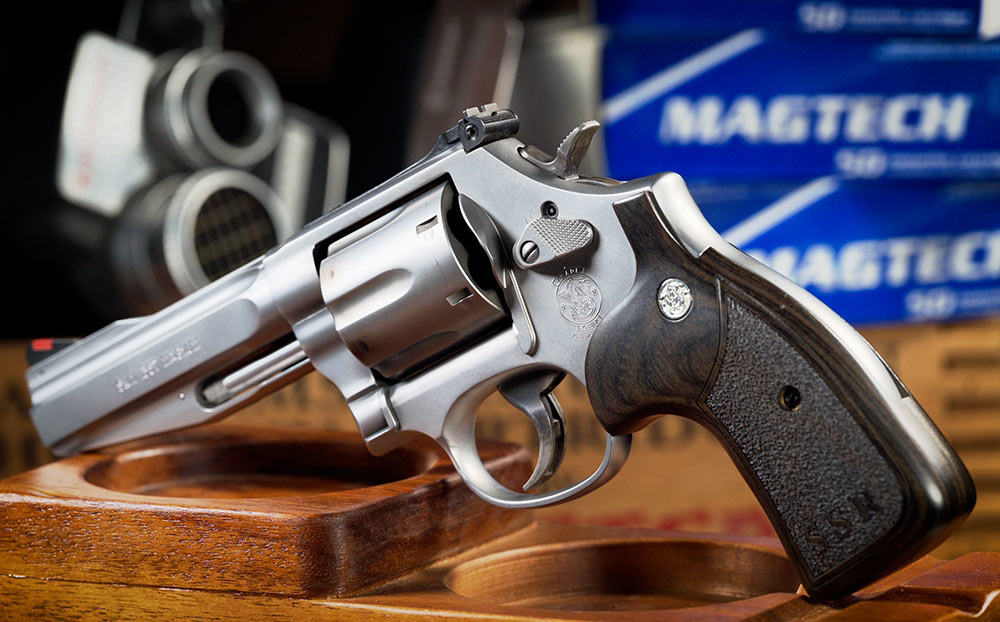
The recent Glacier National Park mauling underscores a hard truth the gun-control crowd would rather ignore: when you’re miles from the nearest ranger station and a grizzly decides you’re on the menu, the only backup that matters is the one you packed yourself. Hikers who rely solely on bear spray are betting their lives on a chemical that can fail in wind, rain, or sheer panic; a compact 10mm or .357 wheelgun, by contrast, delivers decisive stopping power with zero dependence on weather or line-of-sight. The survivor in this case lived because a fellow hiker had the presence of mind—and the legal right—to carry, a detail the legacy press buried beneath layers of “bear safety” bromides that never mention the Second Amendment.
For the 2A community this incident is more than a cautionary tale; it’s fresh evidence that self-defense isn’t a theoretical hobby but a practical necessity in wild places where government protection is measured in hours, not seconds. Every state bordering bear habitat already recognizes the right to carry for precisely these scenarios, yet anti-gun activists continue to push “bear spray only” rules in national parks and push for magazine limits that would neuter the very firearms best suited to stopping a 600-pound predator. The data from Alaska and Montana show that armed hikers who train with their sidearms suffer dramatically fewer serious injuries than those limited to aerosol deterrents, a statistic the coastal media rarely highlights because it collides with the narrative that guns are only a danger, never a solution.
Ultimately, the Glacier attack reminds us that rights exercised are rights preserved. When responsible citizens choose to carry in bear country, they’re not courting trouble—they’re refusing to outsource their survival to chance or to bureaucrats who’ve never faced a charging sow. The lesson for every outdoorsman is straightforward: pack the iron, know the laws, and keep training, because the wilderness doesn’t negotiate and neither should we.


