

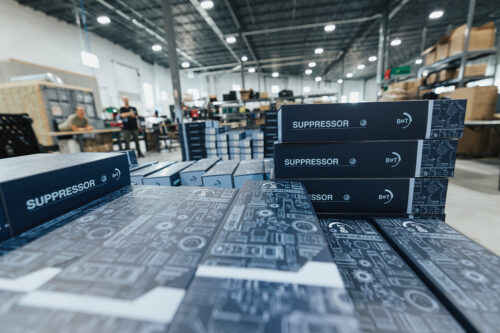
B&T USA’s decision to scale its Herriman, Utah, suppressor line to 7,000 units a month is more than a corporate milestone—it’s a direct response to the surge in demand that followed the pandemic-era ammo shortage and the renewed emphasis on hearing-safe training. By bringing additional CNC capacity, in-house quality control, and American jobs under one roof, the company is shortening lead times that once stretched into months, effectively lowering the “time tax” that has long discouraged first-time buyers from filing Form 4s. For the 2A community, that translates into more shooters protecting their hearing without sacrificing readiness, and it quietly normalizes suppressors as standard equipment rather than exotic accessories.
The expansion also underscores a broader strategic shift: domestic manufacturers are racing to onshore supply chains that were once vulnerable to overseas bottlenecks and shifting political winds. With several states still debating suppressor legalization and Congress entertaining Hearing Protection Act-style reforms, B&T’s increased output creates a ready inventory buffer that could blunt the impact of any future import restrictions or excise-tax changes. In practical terms, the Utah facility becomes both a production hub and a political statement—proof that American workers can satisfy the market’s appetite for quiet, effective sound reduction while strengthening the industrial base that underpins the right to keep and bear arms.


